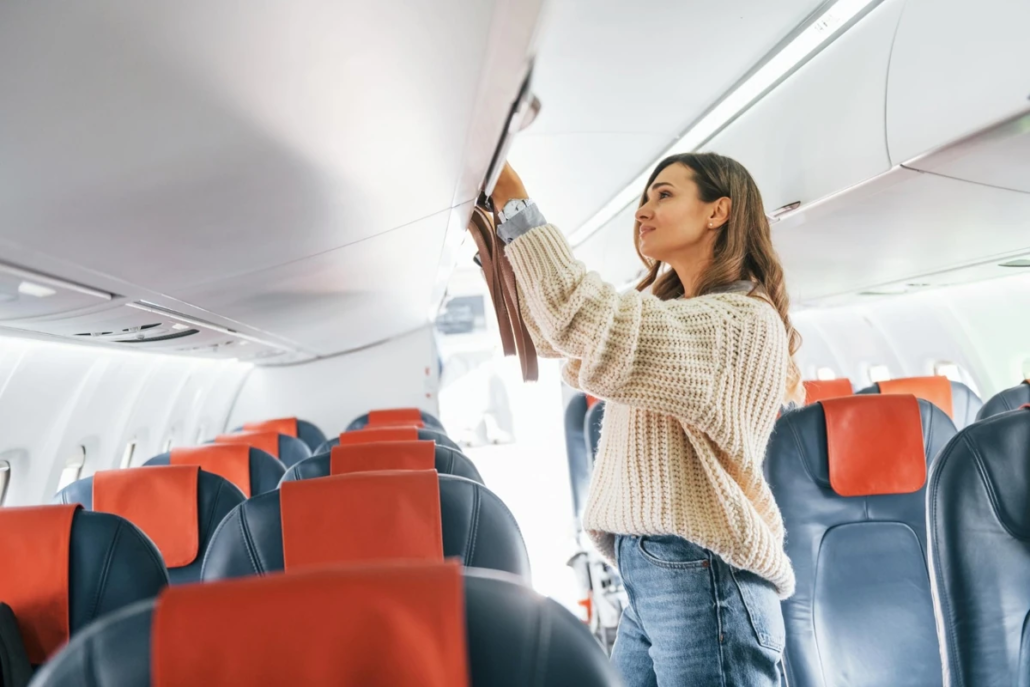
Staying healthy after flying: Key habits and advice
Every day, countless passengers travel by plane, and sitting for long periods next to other people can lead to microbes lingering on your clothes. A useful habit is to put the clothes you wore on the plane straight into the washing machine as soon as you get home. This helps prevent the spread of germs to family members. It might sound like an exaggeration, but there are scientifically-backed reasons to wash your clothes immediately after traveling.
How do germs spread on planes?
Aircraft may not be inherently dirty, but there are many ways germs, including bacteria and viruses, can spread during a flight. From the friction of a sleeve against an armrest or tray table to resting your head on a seatback or standing in line for the restroom—every interaction provides an opportunity for these microscopic parasitic organisms to get onto your clothing.
The air around us and any living creature we encounter is surrounded by a small cloud of microbes, skin particles, and dust that emanates directly from our bodies or clothing. When people gather together, these tiny personal clouds mix, and some of them are transferred and stick to us or our clothing when we touch various surfaces, rub against them, sit or lie on them, or pass by people.
In addition to contact with surfaces, microbes can also be transmitted through airborne droplets when people breathe, talk, cough, or sneeze, allowing infectious droplets to settle on you. Respiratory viruses are the most common and easily spread infectious agents that can be transmitted onboard an aircraft.
Our shoes may also be a cause, as they pick up microbes from the floor while moving through airports and airplanes. Anything we touch afterward can transfer these particles to our hands, clothing, or skin, and from there to the mouth, nose, or eyes through everyday actions like eating, rubbing, or scratching.
Air quality aboard planes
Air quality on airplanes is better than most people think. Commercial aircraft mix outside air with recirculated air that passes through HEPA filters, which capture about 99.97% of particles 0.3 microns or larger, significantly reducing the risk of airborne disease transmission.
It is unlikely that particles will settle on passengers’ clothing when HEPA filters are present, and the air in the aircraft cabin is exchanged much more frequently than in offices or other buildings. However, there are times when air exchange is not operating, such as during boarding, disembarkation, or waiting on the runway. It is also important to be aware of your surroundings if you are seated near a boarding door, where you are likely breathing unfiltered air along with other passengers.
And while HEPA filters significantly reduce the number of particles in the air, they cannot prevent all types of infection transmission, especially when you are sitting next to a sick person. The risk of transmission increases within approximately one row or one meter. Coughing and sneezing can still deliver droplets onto your sleeves, knees, or scarf, even with a powerful filtration system in the cabin.
What’s the actual threat from bacteria on your clothes?
Some resilient species of bacteria and fungi, parasite cysts, and protein-coated viral particles can survive for months or even years if not removed with soap and water, neutralized, wiped with disinfectants, or washed in a washing machine. It’s also worth noting that some of them are particularly resistant to changes in temperature and humidity and even to common disinfectants like wet wipes.
The vast majority of microbes we come into contact with are either harmless or neutralized by antimicrobial compounds on our skin, in our tears, saliva, or on the mucous membranes of the mouth and upper respiratory tract. However, they sometimes penetrate inside and can cause a potential infection if your immune system doesn’t respond before they begin to multiply rapidly.
Generally, viruses that cause respiratory diseases can survive on surfaces from a few hours to several days. The survival of a virus also depends on several factors, including climate, indoor environment, and the type of surface the virus settles on. And some viruses remain more infectious on fabrics.
A clever routine every woman traveler should follow after landing
To reduce the spread of germs after traveling, especially if there’s an elderly person, a pregnant woman, a very young child, or someone with a weak immune system at home, immediately remove your clothes upon arriving home.
Put the clothes you traveled in directly into the washing machine. Avoid shaking the clothes, as this can spread particles, and wash your hands immediately afterward. Wash the clothes with detergent in warm or hot water, if the fabric type allows it, and dry them in the dryer on a high heat setting. Heat and detergents effectively neutralize many germs.
There are also often overlooked steps that can help reduce the spread of germs, such as disinfecting your phone, bag handles and straps, and the mouthpiece of reusable water bottles. These are items frequently touched during travel and often come into contact with seats and toilets. You can go even further by taking a shower before putting on clean clothes. This quickly removes anything that settled on your skin or hair during the trip. And since there is always some risk during a flight, increase your chances of staying healthy by always washing your hands after using the restroom and before eating.
Before an air journey, you can assess your own and your family’s condition to see if anyone is ill and possibly postpone the trip. When you are sick or have recently been sick, there is an immunity recovery period that can make you more vulnerable to infections during air travel.
Astarte Agency is an international agency for employment abroad in show business. We offer jobs for dancers, hostesses, models, entertainers, servers, and others.
For employment inquiries, please message us on WhatsApp, Telegram and Viber.: +380990716535
Stay updated on new job openings by following our Telegram channel and social media pages on Facebook, Instagram, and X.


Leave a Reply
Want to join the discussion?Feel free to contribute!